
A Comprehensive Scent Layering Guide to Personalize Your Home Ambiance
If you want to truly personalize your living space, mastering a reliable scent layering guide is an absolute must. By carefully combining complimentary fragrances, you can elevate your home ambiance, stimulate your olfactory bulb, and maintain a deeply therapeutic, welcoming environment.
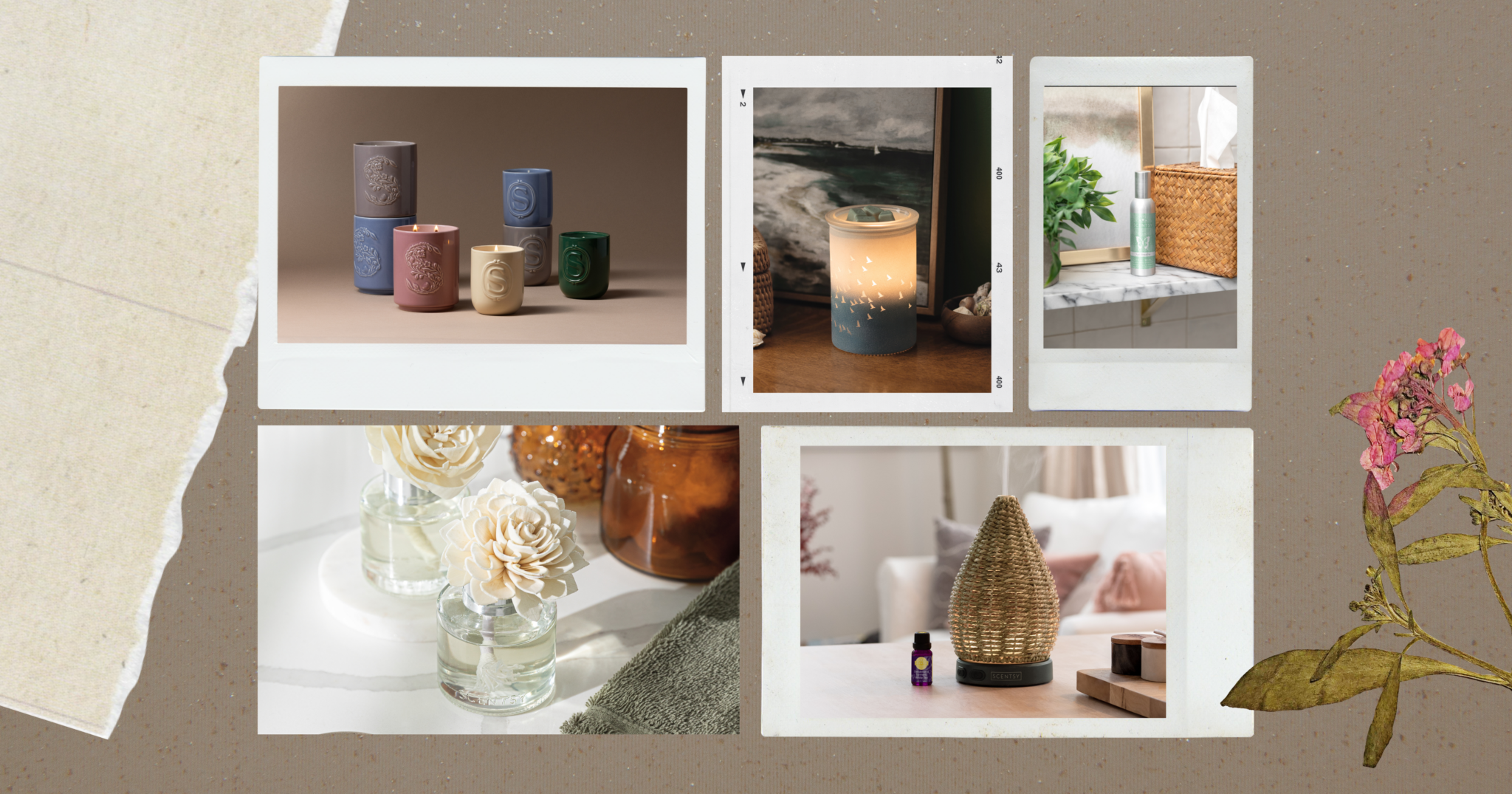
Why Is a Scent Layering Guide So Important?
Following a scent layering guide is critical because mixing random fragrances can quickly overwhelm the senses. A proper guide teaches you how to balance background base notes with bright foreground aromas, ensuring your indoor air quality remains fresh and the atmosphere stays wonderfully therapeutic.
What Is the Difference Between Layering and Scentscaping?
While scentscaping involves assigning different single fragrances to different rooms, layering is the art of combining multiple scents within the exact same space. Scentscaping controls the flow from the entryway to the kitchen, but layering adds massive complexity and depth to a single room. Both are vital tools for sensory design.
When Should You Layer Fragrances?
Layering is incredibly useful during seasonal transitions. For instance, blending a warm winter amber with a fresh spring floral bridges the gap between seasons perfectly. It is also highly effective in large open-concept homes where you want to establish subtle “zones” without building physical walls.
How Do Different Fragrance Families Mix?
Understanding the fragrance wheel is the core of any successful sensory experiment in your home.
| Base Fragrance | Best Pairing | Resulting Vibe |
|---|---|---|
| Warm Vanilla | Spicy Amber or Woods | Cozy, grounded, deeply comforting |
| Bright Citrus | Fresh Herbals (Mint/Basil) | Energizing, clean, brilliantly refreshing |
| Soft Floral | Light Musk or Fruity | Romantic, delicate, highly therapeutic |
What Is the Step-by-Step Guide to Stacking Scents?
To guarantee that your scent layering guide yields perfect results, follow these precise steps.
- Step 1: Pick a Dominant Base. Choose a subtle, long-lasting fragrance like a rich wood or vanilla to anchor the room.
- Step 2: Add a Bright Accent. Introduce a smaller amount of a punchy citrus or sharp floral to act as the top note.
- Step 3: Mix Delivery Systems. Use a wax warmer for the base and a quick room spray for the accent.
- Step 4: Monitor the Air. Ensure you have proper ventilation so volatile organic compounds do not build up.
In the end, utilizing a proper scent layering guide empowers you to act as an artist within your own home. By prioritizing safe, premium products, you protect your indoor air quality while designing a uniquely therapeutic home ambiance that perfectly reflects your personal identity.
We have many years of experience. Read our guide on the Safety of Scentsy Products