The Complete Masterclass on Scentscaping Your Home
Have you ever wondered how to perfectly harmonize the fragrances in your living space? Scentscaping your home is the ultimate strategy to create an immersive, emotional atmosphere that elevates every room. It is the secret to unforgettable sensory storytelling in your daily life.
How Does Scentscaping Your Home Work?
Scentscaping your home involves strategically curating different fragrances in specific rooms to evoke distinct moods and emotions. By layering scents from complementary fragrance families, you create an intentional olfactory journey that transforms your living environment into a personalized, multi-sensory sanctuary.
Think of it as invisible interior design. Just as you choose wall colors and textiles to define a room’s purpose, you can use aromatics to divide spaces and influence how you feel within them. It is a rapidly growing trend in both hospitality and high-end residential design.
Theme parks and luxury hotels have used this exact method for decades to entice visitors and create feelings of extreme comfort. Now, you can bring that same level of sophisticated environmental control into your own house.
How Does the Science of Scentscaping Affect the Olfactory Bulb?
When you intentionally design the aromatic flow of your house, you are directly interacting with human biology. Odor molecules enter the nasal cavity and bind to receptors that send signals directly to the olfactory bulb. This structure is heavily wired into the amygdala and hippocampus.
Because of this direct connection, sensory storytelling is incredibly powerful. You aren’t just making a room smell like lemons; you are triggering the brain’s association with cleanliness, energy, and sunshine. This is why a citrus profile in a home office can measurably improve focus.
Conversely, introducing lavender or vanilla notes into a bedroom signals the brain that it is time to downshift and rest. By mapping these biological triggers to the physical layout of your floorplan, you engineer your own daily psychological states.
We rely on premium, carefully extracted essential oils and synthetic blends that offer a stable release of volatile organic compounds. This ensures the message sent to your brain remains consistent and authentic, never harsh or overpowering.
What Are the Top Safety Guidelines for Multi-Room Fragrance?
When deploying multiple aromatic systems, prioritizing indoor air quality is vital. You must select delivery methods that do not produce harmful soot or overwhelm the air with heavy particulates. This is why we advocate for a mixed-system approach.
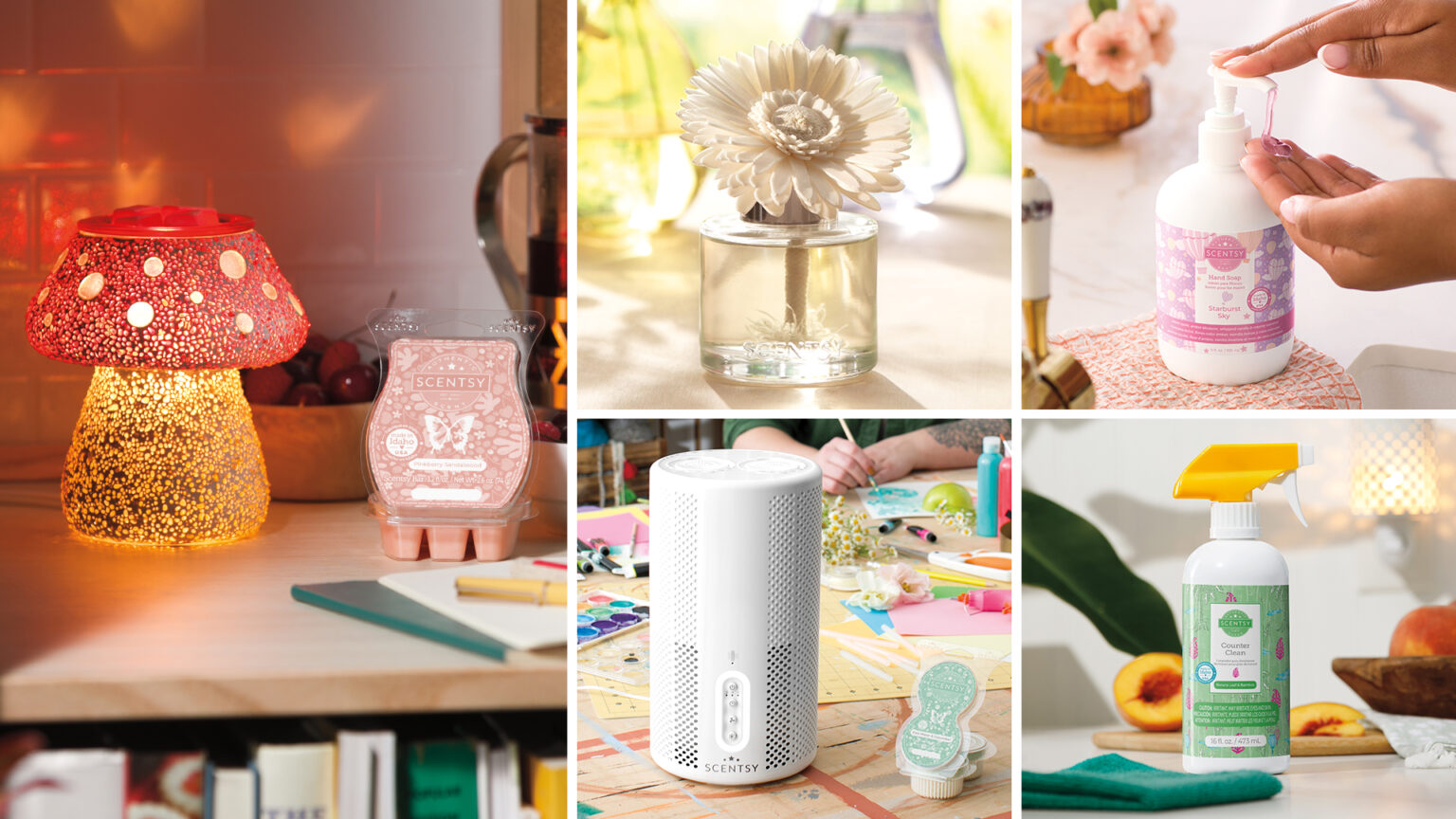
Utilizing fan diffusers, air purifiers, and low-wattage wax warmers ensures that you are dispersing scent molecules without relying entirely on combustion. When you do use a flame, always ensure it meets ASTM International safety standards.
Never place any delivery system, whether plugged in or unplugged, in a location where pets or small children can easily pull it down. Keep all cords secured and out of high-traffic walkways to prevent tripping hazards.
If you are sensitive to strong odors, start slowly. Introduce one room at a time to ensure the concentration of volatile organic compounds remains at a comfortable, therapeutic level for your specific sensitivity.
What Are the Step-by-Step Instructions for Designing Your Space?
- Define the Purpose of Each Room: Decide if a space is for resting, working, entertaining, or cleaning.
- Select Your Fragrance Families: Choose fresh/citrus for active areas, warm/woods for cozy areas, and floral/spa for relaxation areas.
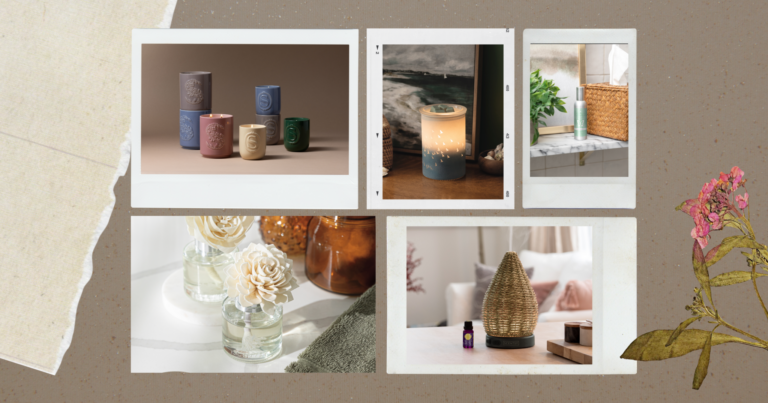
- Choose Delivery Systems: Match the system to the space. Use purifiers in kitchens, warmers in living rooms, and unplugged flowers in bathrooms.
- Test the Transitions: Walk from one room to the next to ensure the aromas complement each other rather than clash in the hallways.
- Rotate Seasonally: Update your selections every few months to prevent nose-blindness and keep the environment feeling dynamic.
How Do Different Room Pairings Compare?
| Room Function | Recommended Fragrance Family | Ideal Delivery System |
|---|---|---|
| Kitchen & Dining | Fresh, Citrus, or Herbaceous | Counter Clean, Hand Soap, Purifiers |
| Living & Family Rooms | Warm Woods, Spices, or Bakery | Standard Wax Warmers, Candles |
| Home Office | Energizing Citrus, Peppermint | Fan Diffusers, Scentsy Pods |
| Bedrooms | Soft Florals, Vanilla, Lavender | Mini Warmers, Fragrance Flowers |
| Bathrooms | Clean Linen, Sea Salt, Spa Notes | Room Sprays, Scent Circles |
What Are the Best Seasonal Recommendations for Your Layout?
During the autumn months, anchor your living spaces with rich, enveloping notes like pumpkin, clove, and amber. Balance this by keeping your bathrooms bright and crisp with eucalyptus or mint to prevent the house from feeling too heavy.
In the spring, throw open the windows and transition your base layers to light florals and rain-washed greens. The goal of seasonal design is to mimic the outside world while maintaining a perfectly controlled indoor climate.
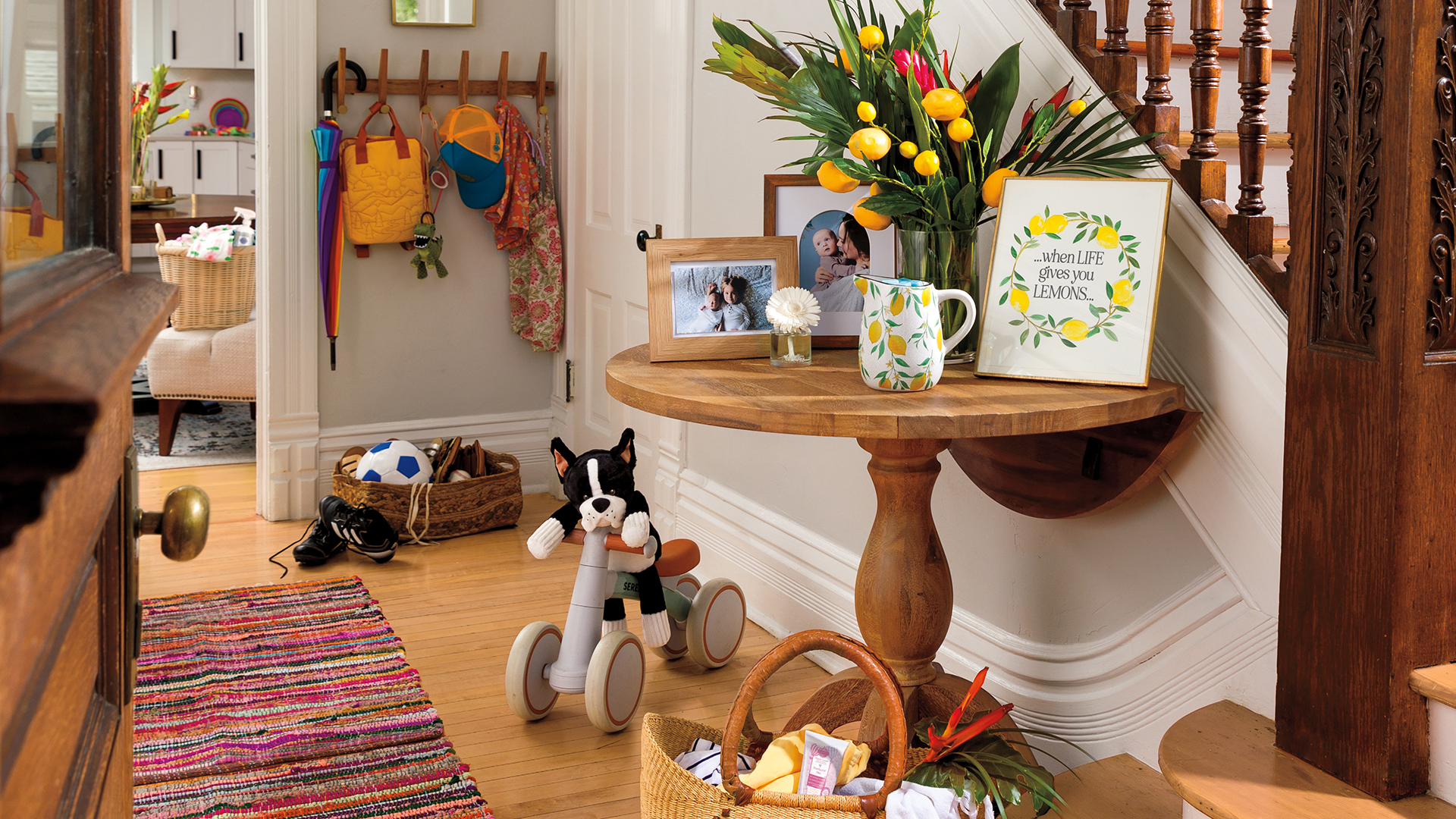
Winter calls for evergreens and smoky woods in the entryway, creating a stark, cozy contrast to the freezing temperatures outside. This immediate shift tells guests they have entered a safe, warm haven.
Frequently Asked Questions About Sensory Interior Design?
Will mixing scents make my house smell confusing?
Not if you follow the complementary family rule. Stick to adjacent profiles—like blending a fruit with a floral, or a bakery with a spice—to maintain harmony as you walk through the halls.
How do I combat nose-blindness?
Your brain naturally tunes out consistent background stimuli. To reset your perception, change your wax melts every few days or switch between distinct families on a weekly basis.
Mastering the art of scentscaping your home is the ultimate way to blend visual interior design with olfactory imagination. Start planning your sensory zones today and experience the dramatic shift in your daily routine.
We have many years of experience. Read our guide on the Safety of Scentsy Products